
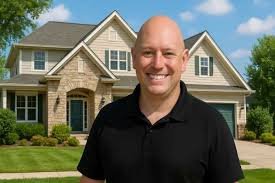
Building a custom home with your VA loan benefit is entirely possible, but it works differently than a standard VA purchase, and most veterans learn that the hard way, mid-contract, when they discover their builder isn’t VA-registered or their credit file is too thin for a direct lender’s overlay. This guide walks you through financing new construction with a VA loan from eligibility confirmation through final closing. Before you start, pull together your discharge paperwork (DD-214 or equivalent), sketch a target build budget, and know roughly how much VA entitlement you have left if you’ve used the benefit before.
Step 1: Confirm Eligibility and Pull Your Certificate of Entitlement
VA construction financing starts with the same eligibility rules as any VA purchase loan: active-duty service members, veterans who meet minimum service requirements, many National Guard and Reserve members, and eligible surviving spouses can qualify. What changes with new construction is how much scrutiny your entitlement and credit file get, since builder-side risk gets layered on top of borrower risk.
Your Certificate of Entitlement (COE) is the document that proves you have VA loan eligibility and shows how much entitlement you’re bringing to the transaction. You can request it yourself through the VA.gov home loan COE application page, which routes through the eBenefits system, or you can let a broker pull it for you as part of pre-qualification. That second path is usually faster, and it’s where a soft pull mortgage broker adds real value: at VA Loans Pro, we run your file through NoTouch Credit Pull, a soft-pull pre-qualification process that checks your credit and entitlement picture without a hard inquiry mortgage pre approval hitting your report. A direct lender typically wants a hard pull upfront before they’ll even discuss construction terms, which can ding your score before you’ve picked a builder.
The mistake I see most often at this stage: veterans who’ve already used VA financing once assume they’re starting from zero entitlement, or they don’t check whether they’re working with full or second-tier entitlement. If you have an existing VA loan and are building a second primary residence, your remaining entitlement, not just your COE status, determines how much you can borrow with no down payment. This gets more complex on higher-cost builds, and it’s worth having a broker calculate your remaining entitlement precisely before you sign anything with a builder or lock a lot.
Step 2: Choose a VA-Approved Builder and a Broker Who Shops Construction Lenders
Not every homebuilder can accept VA construction financing. The builder must hold an active VA Builder ID, which means they’ve registered with the VA and agreed to the agency’s construction standards and inspection requirements. Ask for this ID number before you sign a construction contract, and confirm it’s active, not expired or pending. Builders who don’t do VA work regularly sometimes let this lapse, and discovering it after you’ve selected finishes and locked a lot price is a costly delay.
Once you’ve confirmed the builder, the next decision is who finances the build. This is where broker independence matters more for construction than for a standard resale purchase. A direct lender like Veterans United or Rocket offers one shelf of construction products with one set of overlays. As an independent broker, VA Loans Pro shops one-time-close construction-to-permanent terms across 500+ wholesale lenders, comparing draw schedules, rate locks, and fee structures instead of presenting a single take-it-or-leave-it program.
Duane Buziak, NMLS #1110647: in my experience underwriting VA construction files, credit flexibility matters more than speed at this stage. Borrowers building new homes often have thinner post-closing cash reserves because money has gone toward land, plans, and permits. VA guidelines allow credit scores down to 500 on the broker side, which gives builders and buyers more room to structure the deal around cash flow rather than chasing a lender’s minimum score requirement. A construction borrower who gets declined at a 620 or 580 floor doesn’t have many options left; a broker with a lower floor and a wider lender panel usually does.
Step 3: Understand the VA Construction Loan Mechanics
VA construction loans come in two structures. A one-time-close, or construction-to-permanent, loan combines the construction phase and the permanent mortgage into a single closing and a single set of closing costs. A two-time-close structure closes the construction loan separately, then requires a second closing (and often a second appraisal) once the home is finished and you refinance into permanent financing. Most brokers, including us, steer clients toward one-time-close whenever the lender panel supports it, because it avoids paying closing costs twice and eliminates the risk of your rate or qualification changing between the two closings.
The VA funding fee still applies to construction loans, calculated the same way it is for a standard VA purchase: as a percentage of the loan amount, based on your down payment, service category, and whether it’s your first use of the benefit. Veterans with a service-connected disability rating are exempt from the funding fee entirely, and certain surviving spouses qualify for exemption as well. Current fee percentages and exemption criteria are published on the VA.gov funding fee and closing costs page, and because these percentages are set by law and subject to change, confirm the current schedule before you finalize your loan estimate.
The misconception that trips people up most: assuming a VA construction loan behaves like a standard VA purchase loan with a longer closing timeline. It doesn’t. Funds aren’t disbursed in one lump sum to the builder. Instead, money releases in draws tied to inspection milestones, and the VA requires its own inspections at key stages of the build in addition to whatever the builder’s contract specifies. Skipping this expectation-setting step is why some buyers feel blindsided when their builder asks for a draw request and inspection sign-off before starting drywall.
Step 4: Compare Broker vs. Direct Lender Options Before You Commit
Before signing a construction contract, it’s worth comparing how a broker’s construction lender panel stacks up against direct lenders’ single-shelf programs. Terms shift, so verify current figures before applying, but here’s how the structural differences typically look as of this writing:
- VA Loans Pro: 500 FICO minimum, independent broker, 500+ wholesale lenders, broker-negotiated and shop-able fees.
- Veterans United: 620 FICO minimum, direct lender, VA-only loan shelf, published origination fee on the higher side per third-party rate reviews.
- Rocket Mortgage: no publicly stated VA-specific credit floor, direct lender, single in-house shelf, hard credit pull required for pre-approval.
- Movement Mortgage: 580 FICO minimum on VA loans, direct lender, single shelf, no standalone soft-pull pre-approval option.
Veterans United’s VA-only specialization is a legitimate strength for straightforward resale purchases: their loan officers live and breathe VA guidelines all day. But that same single-shelf model becomes a constraint on construction deals, where draw schedules, builder requirements, and rate-lock windows vary meaningfully from one wholesale lender to the next. If their one construction product doesn’t fit your builder’s draw structure or your credit profile, there’s no second option on their shelf to fall back to. A broker’s job is to find the lender whose construction guidelines actually match your file.
The 500 FICO floor matters specifically for construction borrowers because build financing tends to strain credit files in ways a standard purchase doesn’t. Buyers often put cash toward a lot, plans, permits, or a builder deposit before they ever apply for financing, which can mean fewer liquid reserves and, sometimes, a missed payment or two during a stressful stretch. A single-shelf lender with a 580 or 620 floor has no flexibility if your score has dipped. A broker with access to a wider panel, and a soft-pull mortgage broker process that doesn’t ding your score while you’re shopping options, gives you more room to work with.
Step 5: Run the Numbers on a Sample Build Budget
Suppose you’re building a $380,000 home with no down payment, using your VA benefit for the first time. On a first-use, zero-down VA loan, the funding fee is currently 2.15% of the loan amount for regular military borrowers. That works out to $380,000 x 0.0215 = $8,170, which most borrowers roll into the loan balance rather than paying out of pocket, bringing the total financed amount to $388,170. If you have a service-connected disability rating, that $8,170 fee is waived entirely, a detail worth confirming with your COE before you finalize your budget.
Where you build affects your total carrying cost, too. If you’re building in Tennessee, for example, property tax rates and county-level assessment practices vary widely and directly change your escrowed monthly payment; Tennessee’s state Comptroller property tax resources page breaks down how county rates are set, and it’s worth checking before you lock a lot in an unfamiliar county.
Construction funds don’t disburse all at once. A typical draw schedule releases money in stages, foundation and site work, framing, mechanical and drywall, and final completion, with an inspection required before each draw. During the build phase, most one-time-close VA construction loans charge interest-only payments on the amount drawn so far, not on the full loan balance, which keeps your carrying costs lower while the home is under construction. Once the certificate of occupancy is issued, the loan converts to a standard fully amortizing VA mortgage.
Because there are several moving pieces, land cost, build cost, funding fee, and permanent loan terms, it helps to model the whole thing before you commit to a lot or a builder contract. A soft credit pull mortgage process lets you run these numbers and get a real pre-qualification range without triggering a hard inquiry mortgage pre approval, so you can compare land-plus-build scenarios side by side before your credit report takes any hits.
Step 6: Move Through Underwriting, Appraisal, and Builder Approval
Underwriting a VA construction loan is really two reviews happening at once. The first is standard borrower underwriting: income, assets, credit, and entitlement, the same categories reviewed on any VA purchase. The second is a builder-and-plan review, where the VA and the lender evaluate the construction contract, building plans, specifications, and cost breakdown, and confirm the builder’s VA acceptance is current. Both have to clear before you close, and either one can stall the file if documentation is incomplete.
The mistake that causes the most delays here is changing the build budget mid-process, adding a finished basement, upgrading materials, or expanding square footage after the appraisal and underwriting have already been based on the original plans. Any material change to scope or cost can trigger a new appraisal and send the file back through underwriting, adding weeks and sometimes requalifying you at a different loan amount. Lock your scope before underwriting starts, and treat any change order after that point as something to run past your broker first.
If you’re using down payment assistance toward land acquisition or upfront builder costs, note that Dynamo and Turbo DPA programs are structured for use alongside financing that includes a down payment component, and they’re generally not compatible with 100% VA financing, since there’s no down payment gap for the assistance to fill. If your build requires cash beyond what VA financing covers, such as a separate lot purchase closed before construction begins, that’s the scenario where DPA stacking might come into play, and it’s worth discussing with your broker early rather than assuming it applies automatically.
Step 7: Close, Convert to Permanent Financing, and Plan Ahead
With a one-time-close construction loan, there’s no second closing waiting for you at the finish line. Once the builder completes the home, passes final inspection, and the certificate of occupancy is issued, the loan automatically converts from the construction phase to permanent VA financing at the rate and terms locked at the original closing. You sign a modification, not a whole new loan, and you avoid a second round of closing costs.
Once your home is on permanent VA financing, you become eligible for future refinancing tools like the VA Interest Rate Reduction Refinance Loan (IRRRL) down the road, should rates drop or your financial picture change. That’s a benefit worth keeping in mind even at the construction stage, since it means you’re not locked into today’s rate forever.
Frequently Asked Questions
Can you build a home with a VA loan and no down payment? Yes, eligible borrowers with full entitlement can finance new construction with zero down, subject to the lender’s construction guidelines and appraised value supporting the loan amount.
Do all builders accept VA construction loans? No, only builders with an active VA Builder ID can participate, so confirm this registration before signing a contract.
What credit score do you need for a VA construction loan? VA guidelines allow scores as low as 500 through a broker with a wide wholesale lender panel, though direct lenders often set higher in-house minimums such as 620.
Is the VA funding fee different for construction loans? No, the funding fee follows the same percentage schedule as standard VA purchase loans, based on down payment and first-time or subsequent use.
How long does a VA construction loan take to close and build? Closing itself typically takes several weeks like a standard purchase, while the build phase can run six months to a year or more depending on the project.
What is a one-time-close VA construction loan? It’s a construction-to-permanent loan that combines the build financing and the final mortgage into a single closing, avoiding a second appraisal and second closing costs.
Can you use a soft pull mortgage broker to shop construction loan rates? Yes, NoTouch Credit Pull lets you get pre-qualified with a soft credit check instead of a hard inquiry, so you can compare offers before committing to one lender.
What happens if I change my building plans mid-construction? Material changes to scope or cost can trigger a new appraisal and send your file back through underwriting, so lock your budget and plans before underwriting begins.
This article is for general informational purposes only and is not financial, legal, or lending advice. Loan programs, credit score minimums, funding fee percentages, and lender guidelines are subject to change and are not guaranteed; consult a licensed mortgage professional to evaluate your specific situation. VA Loans Pro is an independent mortgage brokerage; Duane Buziak, NMLS #1110647, Coast2Coast Mortgage LLC, NMLS #376205, Equal Housing Lender.
Duane Buziak, NMLS #1110647, is a Scotsman Guide Top Originator (#114 nationally, $51.2M in production), a VA Broker of the Year for 2024-2025, and UWM PRO ELITE for 2025, with more than 1,400 five-star client reviews. Learn more about his background and licensing on the VA Loans Pro About page.
What to Lock Down Before You Sign a Construction Contract
Confirm your entitlement, secure a VA-registered builder, and compare broker versus direct-lender terms before you sign anything. Those early decisions set your rate, your fees, and how much flexibility you have if the build doesn’t go exactly to plan, and they’re far easier to get right upfront than to fix after a lot is under contract. Learn more about our services.