
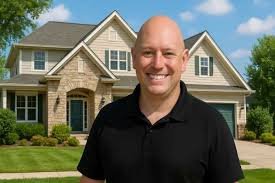
You served, and the VA home loan benefit was built to give you a real advantage when it is time to buy. If you are asking how does a VA loan work when buying a house, the short answer is this: the Department of Veterans Affairs backs part of the loan, which helps eligible buyers purchase a home with strong terms, often zero down, no PMI, and competitive interest rates.
That sounds simple enough, but the real value is in how the process plays out from preapproval to closing. A VA loan is not handed out directly by the VA in most cases. You work with a private lender, and the VA provides a guaranty that lowers the lender’s risk. That backing is what makes the program so powerful for veterans, active-duty service members, and certain surviving spouses.
How does a VA loan work when buying a house?
A VA loan works like a regular mortgage in the sense that you borrow money to buy a home and repay it over time. The difference is that the loan is backed by the VA, and that backing opens the door to benefits many conventional buyers do not get.
For most eligible borrowers, the biggest advantage is zero down payment. You may also avoid monthly private mortgage insurance, which can save a meaningful amount every month. On top of that, VA loans often come with more flexible credit standards than conventional financing, although approval still depends on income, debt, credit profile, and the property itself.
The home must generally be your primary residence. This is not a program for buying a vacation home or most investment properties. The property also needs to meet VA minimum property requirements, which are designed to make sure the home is safe, sound, and sanitary.
The key pieces of a VA home purchase
Before you buy, you need to confirm eligibility. That usually starts with a Certificate of Eligibility, often called a COE. This document shows that you qualify for the VA home loan benefit based on your service history or surviving spouse status.
Then comes preapproval. This is where a lender reviews your income, assets, credit, and debts to estimate how much home you can afford. Preapproval matters because it tells sellers you are serious and gives you a realistic price range before you start shopping.
Once you go under contract on a home, the lender moves into full underwriting. During that stage, the lender verifies your financial documentation in detail, orders the VA appraisal, and checks that the loan meets both lender guidelines and VA rules.
If everything clears, you close on the home and officially become the owner. At closing, the loan funds, title transfers, and you get the keys.
VA loan eligibility and entitlement
Eligibility is where many buyers hesitate, but it is usually more straightforward than they expect. Veterans, active-duty service members, some National Guard and Reserve members, and certain eligible surviving spouses may qualify.
You may also hear the term entitlement. In plain English, entitlement refers to the amount of VA backing available for your loan. For many buyers with full entitlement, this means they can purchase with no down payment up to the lender’s approved amount, as long as they qualify based on income and credit.
That does not mean every borrower can buy any home at any price with zero down. The lender still has to determine that the payment is affordable. Your debt-to-income ratio, residual income, credit history, and overall financial picture still matter.
What makes VA loans different from conventional loans?
The zero-down feature gets the attention, but it is not the only reason veterans choose this program. No monthly PMI is a major win. With many low-down-payment conventional loans, PMI increases the monthly payment until enough equity builds up. VA loans remove that cost.
VA loans also tend to offer competitive rates. Over the life of a loan, even a modest rate difference can translate into serious savings. For military families balancing PCS moves, childcare, car payments, and everyday costs, that matters.
There are trade-offs, though. VA loans typically include a funding fee unless you are exempt. The fee helps keep the program running and can be paid at closing or rolled into the loan amount. Some borrowers with service-connected disability compensation are exempt, which can reduce upfront cost significantly.
The VA funding fee and closing costs
The funding fee is one of the most misunderstood parts of the process. It is not the same as PMI, and it is not a monthly charge. It is generally a one-time fee based on factors such as your down payment amount, loan type, and whether it is your first time using the VA loan benefit.
Because many buyers finance the funding fee into the loan, they do not have to bring that amount in cash at closing. That can make homeownership more accessible, especially for first-time buyers who want to preserve savings for moving expenses, repairs, or emergency reserves.
Closing costs still exist with a VA loan. These can include lender fees, title charges, recording fees, prepaid taxes, homeowners insurance, and other settlement costs. The good news is that VA rules limit certain fees, and sellers can sometimes contribute toward allowable closing costs and concessions. That can reduce what you need out of pocket, but it depends on the contract and market conditions.
The home search, offer, and VA appraisal
Once you are preapproved, house hunting becomes far more efficient. You know your range, your agent can negotiate with confidence, and you can move faster when the right property appears.
After your offer is accepted, the VA appraisal is ordered. This is a critical step. The appraiser estimates the home’s fair market value and checks whether it meets VA minimum property requirements. This is not the same as a home inspection. An inspection is optional but strongly recommended because it gives you a more detailed view of the home’s condition.
If the appraisal comes in at value and the property meets VA standards, great. If it comes in low, the deal may need to be renegotiated. The seller might lower the price, you might bring cash to cover the gap, or the transaction could fall apart. This is one of those moments where having an experienced VA-focused team matters.
Underwriting and final approval
Underwriting is where the lender confirms the file is solid. Expect requests for pay stubs, bank statements, tax documents, military leave and earnings statements if applicable, and explanations for certain credit items if needed.
This stage can feel paperwork-heavy, but it is normal. The cleaner your documents, the smoother the process tends to go. Fast responses matter, especially if you are buying on a tight timeline because of relocation or a growing family.
The underwriter is looking at whether the loan is affordable and compliant. With VA loans, residual income is a notable factor. This means the lender wants to see that you have enough money left each month after major obligations to cover everyday living expenses. It is one more layer of protection for the borrower, not just the lender.
How much money do you really need?
A lot of eligible buyers hear zero down and assume zero cash needed. Sometimes that happens, but not always. Even with no down payment, you may still need funds for earnest money, inspection costs, appraisal-related expenses, or closing costs not covered by the seller or lender credits.
That said, the VA loan is still one of the most affordable paths to homeownership available. For many military families, the chance to buy without a down payment and without monthly PMI can be the difference between waiting years and buying now.
Common myths that slow buyers down
One myth is that VA loans take too long. They do not have to. With the right lender and responsive borrowers, VA purchase loans can move quickly.
Another myth is that sellers always reject VA offers. In some markets, that fear is overstated. A strong preapproval, clean contract terms, and a knowledgeable team can make a VA offer highly competitive.
There is also the idea that you can use a VA loan only once. Not true. Many eligible borrowers use the benefit more than once, depending on entitlement restoration and current loan circumstances.
What to do first
If you are serious about buying, start with eligibility and preapproval. That gives you clarity on budget, payment, and timeline before you fall in love with a home that does not fit the numbers.
A specialized VA lender can also help you spot issues early, whether that is credit improvement, documents for your COE, or questions about occupancy and closing costs. That kind of guidance saves time and prevents expensive surprises. For buyers who want a veteran-first approach, VA Loans Pro is built around that mission.
The biggest mistake is waiting because the process feels unfamiliar. The VA loan was designed to reward service with real buying power, and when it is handled well, it can make the path to homeownership faster, more affordable, and far less stressful than many people expect. The smartest next move is not guessing – it is getting your numbers in hand and seeing what this benefit can do for you.